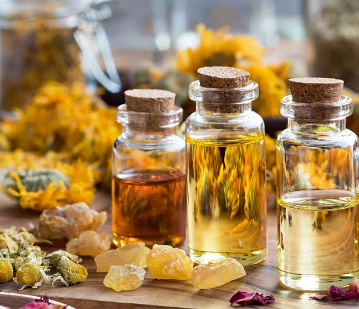
Alopecia barbae is a form of alopecia areata that specifically affects the beard area, leading to patchy hair loss. This condition can be distressing for men who take pride in their facial hair, but it’s important to remember that there are natural and effective remedies that may help manage the condition. One such remedy is essential oils, known for their therapeutic properties and ability to promote hair growth and improve scalp health. In this blog, we’ll explore how essential oils can aid in treating alopecia barbae and offer natural, holistic care for your beard.
What is Alopecia Barbae?
Alopecia barbae is an autoimmune condition where the body’s immune system mistakenly attacks the hair follicles in the beard area. This results in sudden, patchy hair loss. While the exact cause of alopecia barbae is unknown, it is believed to be linked to genetic factors, stress, or other autoimmune diseases.
For many, the loss of facial hair can be emotionally challenging. Some may even feel less confident about their appearance. While conventional treatments such as corticosteroids and immunotherapy can help in some cases, many individuals are turning to natural remedies, such as essential oils, to aid in hair growth and recovery.
Why Essential Oils for Beard Care?
Essential oils are concentrated plant extracts that contain natural compounds known to have a range of therapeutic benefits. When it comes to beard care, several essential oils are considered to be effective in stimulating hair growth, nourishing the skin, and improving overall beard health. Essential oils are a safe, natural alternative to commercial hair products, which often contain harsh chemicals that can irritate the skin or cause adverse reactions.
The following essential oils have been found to support hair growth and overall beard health:
Rosemary oil is one of the most widely recommended essential oils for promoting hair growth. It helps boost blood flow to the scalp, which encourages hair follicles to activate and supports the growth of new hair. Rosemary oil contains ursolic acid, which is believed to increase the size of hair follicles, making it easier for hair to grow.
A study published in the Skinmed Journal found that rosemary oil could be as effective as minoxidil, a common treatment for hair loss, in promoting hair growth. For alopecia barbae, rosemary oil can help stimulate the dormant hair follicles in the beard area, encouraging new growth.
How to use it:
Lavender oil is widely known for its calming and relaxing properties, but it also has numerous benefits for hair health. Lavender oil can help reduce stress, which is one of the triggers for alopecia barbae. By reducing stress, lavender oil helps prevent further hair loss and encourages the growth of new hair.
Moreover, lavender essential oil has antimicrobial properties that keep the scalp healthy by preventing infections, dryness, and dandruff.
How to use it:
Peppermint oil is renowned for its refreshing and energizing properties. When massaged into the skin, peppermint oil increases circulation, which can stimulate hair follicles and encourage hair growth. A study published in the Toxicological Research Journal showed that peppermint oil was effective in promoting hair growth in mice, suggesting similar benefits for humans.
Additionally, peppermint oil has antiseptic and antifungal properties, making it beneficial for maintaining the overall health of the skin beneath your beard.
How to use it:
Tea tree oil is well-known for its powerful antimicrobial and anti-inflammatory effects. It helps maintain a clean and healthy beard area by preventing infections, folliculitis, and dandruff. For individuals dealing with alopecia barbae, tea tree oil can help maintain the health of the skin beneath the beard, preventing further hair loss and creating an ideal environment for hair regrowth.
Tea tree oil also unclogs pores and follicles, ensuring that hair can grow without obstruction.
How to use it:
Cedarwood oil has long been valued for its soothing and stabilizing effects. When it comes to beard care, cedarwood oil promotes circulation to the hair follicles, helping them function optimally and stimulate hair growth. It also has antifungal and antibacterial properties that ensure the skin underneath the beard remains free of infection and irritation.
How to use it:
Thyme oil is considered one of the most potent essential oils for encouraging hair growth. It has a stimulating effect on the scalp and can help improve circulation to the hair follicles, encouraging new beard growth. Thyme oil also possesses antimicrobial properties that help maintain a clean, irritation-free skin surface beneath the beard.
How to use it:
Bergamot oil is not only known for its uplifting fragrance but also for its ability to support healthy hair growth. It helps balance sebum production on the skin, preventing dryness or oily buildup. Bergamot oil also has stress-relieving properties, which can help reduce one of the underlying causes of alopecia barbae.
How to use it:
How to Use Essential Oils for Alopecia Barbae
For the best results, consistency is key when using essential oils for alopecia barbae. Here’s a simple step-by-step guide on how to use essential oils to treat alopecia barbae:
Final Thoughts
While essential oils can be a helpful natural remedy for managing alopecia barbae, they are most effective when used as part of a holistic approach. Combining essential oils with a healthy diet, stress management practices, and regular grooming habits can help you achieve the best possible results.
If you’re looking for natural, effective solutions for beard care, consider incorporating essential oils into your routine. With regular use, you may notice improved hair growth, healthier skin, and a fuller beard. However, always consult a healthcare professional before trying any new treatments, especially if you have underlying skin conditions or sensitivities.
Remember, patience is crucial. Hair regrowth takes time, but with dedication and the right care, you can reclaim your beard and regain your confidence!

Dark spots can linger long after acne, sun exposure, or aging. They’re stubborn, and most creams take months to show...
Read More
Indoor air quality directly affects our health, especially as we spend more time inside. Air pollutants – from smoke and...
Read More



 Natural Essential
Oils
Natural Essential
Oils Floral Absolutes Oils
 Spice Oils