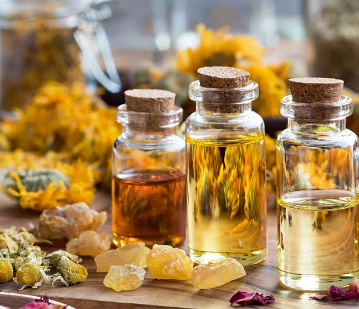
Indoor air quality directly affects our health, especially as we spend more time inside. Air pollutants – from smoke and pet dander to germs and stale odors – can accumulate in homes. Studies show that many essential oils contain monoterpenes (like cineole and limonene) that kill airborne bacteria and refresh the air. In fact, “essential oils can clear indoor air of bacteria and impurities while also supporting healthy respiratory function.”. For example, diffusing eucalyptus oil (rich in cineole) helps open airways and has antiseptic properties to fight air contaminants. By using key oils and blends, plus a few handy techniques, you can naturally cleanse your home’s air.
Eucalyptus is a powerhouse for air purification. Its main constituent, 1,8-cineole, is mucolytic (breaks down mucus) and antimicrobial, supporting clear breathing. Eucalyptus globulus oil is often used in homes to disinfect the air: it reduces airborne bacteria and eases headaches caused by stale air. Simply add a few drops to your diffuser. The aroma also opens the sinuses, making rooms feel fresher. As one expert notes, diffused eucalyptus “possesses antibacterial, antiviral, and antifungal effects” that invigorate indoor air.
Citrus oils like lemon, lime, and grapefruit are natural antiseptics. Lemon oil, for instance, is a potent cleanser that “emits cleansing and purifying properties”, removing bacteria from surfaces and air. In studies, diffusing lemon oil eliminated airborne germs and removed odors with its zesty scent. Lime oil is similar: researchers found lime’s limonene-rich oil has strong antibacterial effects against common microbes. Grapefruit oil also contains limonene and has been shown effective against certain bacteria. Diffuse any of these citrus oils (or blends of them) to freshen a room naturally. Their bright aromas neutralize odors and make air feel cleaner and more energizing.
Herb-derived oils are a key part of natural air purification. Thyme oil (especially red thyme) contains thymol, a powerful antiseptic that “eliminates airborne bacteria” and neutralizes odors. Similarly, basil oil has strong antimicrobial and antiviral properties. Its main components (methyl eugenol, methyl chavicol) can kill germs and fungi in the air. Diffusing these herbal oils or mixing them with citrus oils boosts air cleansing. For example, Edens Garden suggests combining thyme or basil with lemon or eucalyptus in your diffuser for a potent, all-natural air-purifying blend.
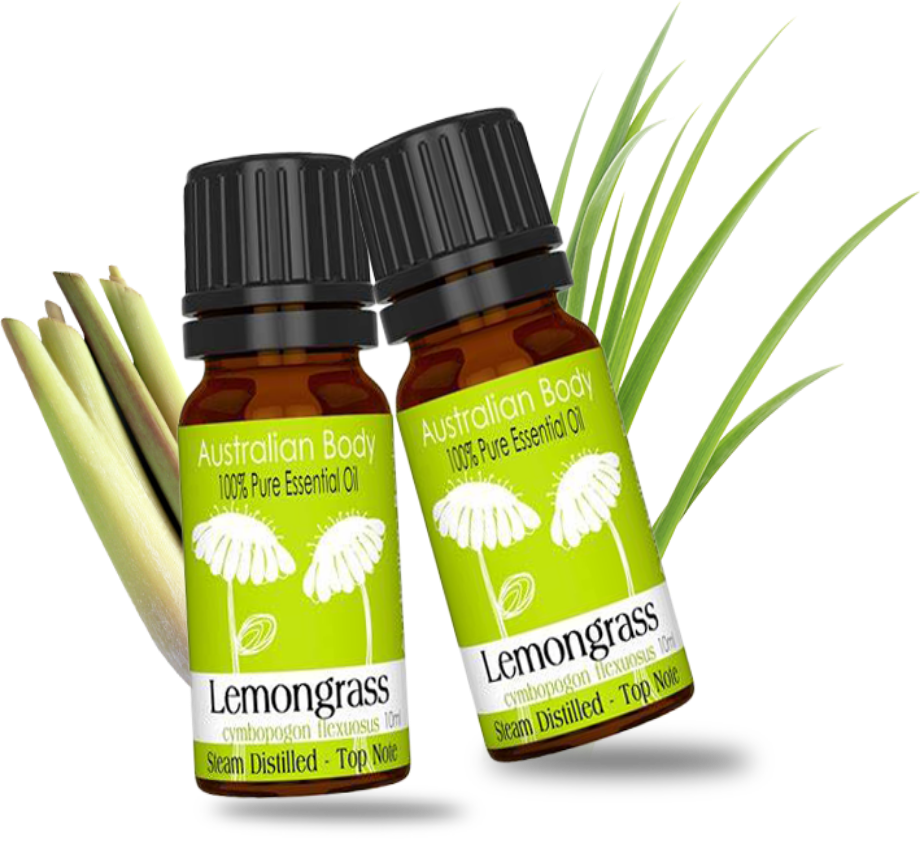
Commercial “purification” blends or DIY mixtures often combine several of the above oils. One ready-made blend (“Breath of Fresh Air”) contains lime, grapefruit, lemon, eucalyptus and lemongrass – a combo rich in limonene and pinene – to disinfect and uplift the air. You can make your own diffuser recipes for different needs. For example, try the Open Air Blend: 2 drops patchouli, 1 drop lime, 1 drop thyme and 1 drop basil. Or a Kitchen Odor Fighter: 4 drops lime, 3 drops grapefruit, 2 drops tea tree. These blends target specific issues (like cooking smells or germs) and help keep indoor air fresh. (See sidebar recipes for more blend ideas.)
Peppermint oil adds a refreshing kick while also purifying. Its menthol acts as a natural decongestant for easier breathing, and its antiseptic qualities disinfect surfaces and air. A peppermint diffuser blend can clear stuffiness and leave a “breath of fresh air” feeling. Likewise, lavender oil is antimicrobial and calming. Besides its well-known relaxing effects, lavender has been shown to kill airborne bacteria when diffused. Inhaling lavender can also help clear nasal passages. Combining peppermint or lavender with lemon or eucalyptus can balance a blend — peppermint for invigoration, lavender for a clean, soothing scent.
Instead of commercial sprays (which often add unwanted chemicals), make your own air freshener. Mix a few drops of your favorite essential oil (e.g. lemon or tea tree) with water in a spray bottle. Spritz around the home to neutralize odors and lightly disinfect surfaces. This simple “elixir” can refresh rooms instantly. You can also put 3–5 drops of oil on cotton balls or small fabric sachets and place them in musty areas (closets, drawers) to keep air smelling clean. Remember: essential oils neutralize smells rather than merely mask them.
For deeper cleaning, use essential oils in natural cleaners. Certain oils are excellent surface disinfectants — think clove, cinnamon, wild orange, and rosemary. Mix 10–20 drops of one or a combo of these oils with white vinegar in a spray bottle. Wipe counters or spray lightly into the air and let the vinegar evaporate. This harnesses the oils’ purification properties and leaves a fresh scent. (As a bonus, diffusing a teaspoon of these oils in a simmer pot of water can also help clean the air.) Just ensure good ventilation when using strong spices.
Some advanced air purifiers even accommodate essential oils. For example, the Rabbit Air “Essence” diffuser attachment lets you add oils to the purifier’s airflow. This means the purifier’s filter removes particles while the oils freshen the air, a one-two punch against pollutants. If you don’t have a special purifier, you can still diffuse oils near vents or fans. A trick is to dab a drop or two on an HVAC filter or a cotton pad placed on an air return — as air circulates, it gently disperses fragrance. (Just avoid oils on fine HEPA filters unless explicitly allowed by the manufacturer.)
Alongside oils, certain houseplants can improve air quality. While not oils, plants like aloe vera, peace lily, and spider plants absorb common toxins. Fill your home with greenery and diffuse oils near them — this natural duo creates a cleaner environment. Plants release moisture and clean the air organically, complementing the aromatic cleaning action of essential oils. Remember to maintain good ventilation and change diffuser water daily for best results.
To keep using essential oils safely, alternate oil types and give rooms breaks from strong scents. Over-diffusing can overwhelm your nose (and may irritate some people). Use a cool-mist diffuser on intervals (e.g. 30-60 minutes on, then off) to avoid buildup. Always use oils at recommended dilution. Start with just a few drops in a diffuser or spray. By switching between different purifying oils (e.g. eucalyptus one day, then lemon the next), you target a broader range of germs and smells.
Essential oils are powerful. Use them wisely: ensure pets have access to oil-free air, and never apply undiluted oils to skin. Some oils (like tea tree, cinnamon, and citrus) can be toxic to pets if they ingest or breathe large amounts. Safer choices for homes with cats and dogs include lavender, chamomile or cedarwood. When diffusing around little ones or animals, dilute heavily and monitor their comfort. Also note: essential oils can contribute VOCs to indoor air, so balance their use with fresh airflow. If anyone experiences irritation (headache, sneezing), discontinue use and ensure the area is ventilated.
Harnessing essential oils is a natural, aromatic way to improve indoor air quality. Oils like eucalyptus, lemon, tea tree, thyme and basil are proven to kill airborne germs and refresh stale spaces. Use them in diffusers, sprays, or cleaning solutions for DIY air purification. Combine recipes (see sidebar) for tailored results: for example, a few drops of patchouli and lemon purify a living room, while peppermint and eucalyptus in the bedroom relieve congestion. With these 11 methods — and by following safety tips — you can breathe easier in every room. Try Lala Essential Oils to experience these benefits firsthand and enjoy cleaner, healthier air naturally.
Key Takeaways:
1. Which essential oils kill germs in the air?
A: Oils high in antiseptic compounds do. For example, tea tree (melaleuca) and clove contain powerful antibacterial agents. Diffusing tea tree or adding clove oil to cleaners can help neutralize airborne germs.
2. Can I diffuse essential oils in a home with pets?
A: Use caution. Cats and dogs are sensitive to many oils (especially phenol-rich oils like cinnamon or citrus). Stick to milder oils like lavender or chamomile around pets, and always ensure they can leave the area if the smell is too strong.
3. How often should I diffuse oils to clean the air?
A: For regular use, diffuse on intervals (e.g. 20–30 min on, 10 min off) rather than constantly. This prevents scent fatigue and reduces any risk of overexposure. Use fresh water each time and clean your diffuser regularly.
4. Are essential oil air purifiers effective against smoke or odors?
A: They can help. Oils like lemon, lavender, and eucalyptus neutralize odors by killing odor-causing bacteria. However, for heavy smoke (e.g. wildfire smoke), a HEPA air purifier is recommended. Essential oils complement other methods by adding a natural fragrance and extra germ-fighting boost.
5. Can I add essential oils directly to my home humidifier?
A: Generally, no. Most humidifiers are not designed for oils and could be damaged. Instead, use a proper diffuser. If you want scented steam, boil water with a few drops of oil in a pot or use a steam inhaler with oils for short periods.
6. What essential oil is best for air purification?
A: Eucalyptus and citrus oils rank among the best for natural air purification. Eucalyptus oil (high in cineole) is antiseptic and clears airways, while oils like lemon, lime and grapefruit have antiseptic limonene that neutralizes bacteria and odors. Other strong air-purifying oils include tea tree, clove, and thyme. Diffusing these oils or blends of them can significantly improve indoor air quality.

Dark spots can linger long after acne, sun exposure, or aging. They’re stubborn, and most creams take months to show...
Read More
Indoor air quality directly affects our health, especially as we spend more time inside. Air pollutants – from smoke and...
Read More



 Natural Essential
Oils
Natural Essential
Oils Floral Absolutes Oils
 Spice Oils