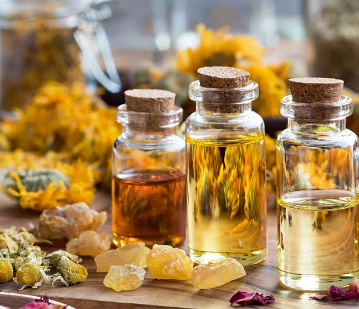
Blackheads are one of the most frustrating skin concerns out there. They appear on the nose, chin, and forehead and they keep coming back. If you are searching for a natural, chemical-free solution, essential oil for blackheads may be exactly what you need.
Essential oils have been used in skincare for centuries. Many of them carry proven antimicrobial, anti-inflammatory, and pore-cleansing properties. When used correctly, they can reduce blackheads, control oily skin, and improve overall complexion.
In this guide, you will discover the 11 best essential oils for blackheads, how to use them safely, and DIY recipes you can make at home.
Before exploring the best way to remove blackheads naturally, it helps to understand what causes them.
Blackheads form when hair follicles (pores) become clogged with excess sebum (skin oil) and dead skin cells. When this clog is exposed to air, it oxidises and turns dark creating what we call a blackhead.
Common triggers include:
Tea tree oil is the most well-researched essential oil for acne-prone skin. It contains terpinen-4-ol, a powerful compound that kills Cutibacterium acnes — the bacteria responsible for acne and blackheads.
How it helps: Tea tree oil clears clogged pores, reduces redness, and controls excess oil production. It is one of the top answers to the question: what essential oil is good for blackheads?
How to use: Mix 2 drops with 1 teaspoon of jojoba oil. Apply to affected areas with a cotton pad. Leave for 15 minutes, then rinse.
Can tea tree oil help with blackheads? Absolutely — it is one of the most recommended oils for this purpose.
Lavender essential oil for pimples is widely praised in natural skincare. It calms inflammation, balances sebum levels, and speeds up skin cell renewal.
How it helps: Lavender oil for zits is particularly useful because it acts gently. It reduces the redness and inflammation around blackheads without over-drying the skin. It also works well for lavender oil cystic acne due to its deep anti-inflammatory action.
How to use: Mix 3 drops with 1 teaspoon of sweet almond oil. Apply to the nose and chin before bed.
Jojoba oil is technically a liquid wax, not an essential oil — but it is one of the most effective face oils for blackheads. Its molecular structure closely resembles human sebum.
How it helps: Jojoba oil blackheads remedy works because it tricks the skin into producing less oil. When the skin senses adequate oil levels, it reduces overproduction — the main cause of clogged pores.
How to use: Apply 3–4 drops directly to cleansed skin as a moisturiser. Use morning and night.
Lemon essential oil is rich in d-limonene and citric compounds. These act as natural astringents that tighten pores and control excess sebum.
How it helps: It is one of the best essential oils for oily skin and one of the most effective essential oils for pore reduction. Regular use helps minimize the appearance of enlarged pores.
How to use: Mix 2 drops with 1 teaspoon of carrier oil. Apply only at night — lemon oil increases photosensitivity. Always use sunscreen if going outdoors.
Clary sage is one of the best-kept secrets in natural skincare. It contains linalool and linalyl acetate, which regulate sebum production effectively.
How it helps: It balances oily skin, reduces the frequency of blackheads, and has mild antibacterial properties. It is an excellent essential oil for blackheads and whiteheads.
How to use: Mix 2 drops with 1 teaspoon of jojoba oil. Apply to oily zones twice daily.
Rosemary essential oil contains 1,8-cineole and camphor, which give it strong antimicrobial and astringent properties.
How it helps: Rosemary is highly effective for cleansing for blackheads. It unclogs pores, removes dead skin buildup, and reduces inflammation.
How to use: Add 3 drops to your regular cleanser or mix with a carrier oil for a face massage.
Frankincense has been used in skincare for thousands of years. It promotes skin cell regeneration and has strong anti-inflammatory properties.
How it helps: It reduces the appearance of enlarged pores and helps treat post-blackhead scarring. It is one of the best essential oils for minimising pores long-term.
How to use: Mix 2 drops with 1 teaspoon of rosehip or argan oil. Apply to face as a night serum.
Castor oil blackheads treatment is a classic homemade remedy. Castor oil contains ricinoleic acid, which has powerful anti-inflammatory and antimicrobial properties.
How it helps: It draws out impurities from deep within pores. It is a popular DIY to get rid of blackheads because it is thick, penetrating, and affordable.
How to use: Mix castor oil (1 part) with jojoba oil (3 parts). Massage gently into the face. Leave for 10 minutes, then rinse with warm water.
Geranium essential oil balances oily skin, tightens pores, and has strong antibacterial properties. It is particularly good for combination skin.
How it helps: It regulates oil glands and is one of the most effective essential oils for pimples and blackheads when the skin tends to be uneven or combination.
How to use: Mix 3 drops with 1 teaspoon of jojoba or sweet almond oil. Apply as a toner after cleansing.
Peppermint essential oil has strong antimicrobial properties due to its high menthol content. It also provides a cooling, refreshing sensation on the skin.
How it helps: It deep-cleanses clogged pores and controls oil production. It is one of the best answers to what essential oils are good for zits and oily, acne-prone skin.
How to use: Mix 1 drop with 1 teaspoon of carrier oil. Apply to the nose and forehead where blackheads are most common.
Bergamot essential oil has a fresh citrus scent and powerful antibacterial properties. It is one of the most recommended essential oils good for acne-prone skin.
How it helps: Bergamot kills acne-causing bacteria, reduces oil production, and helps fade dark spots left behind by blackheads. It works well as an essential oil pimple treatment.
How to use: Mix 2 drops with 1 teaspoon of carrier oil. Apply at night. Always use sunscreen during the day as bergamot is photosensitive.
Ingredients:
Method:
This is one of the best essential oil recipes for blackheads for daily use.
Ingredients:
Method:
This is a powerful homemade remedy for blackheads that also works as a cleansing for blackheads routine.
Ingredients:
Method:
This blend is ideal for essential oils for pore reduction and minimising pores over time.
Using essential oils safely is very important. Follow these rules every time:
Essential oils work best as part of a consistent skincare routine. Here is a simple daily routine:
Morning:
Evening:
Weekly:
This routine is one of the most effective approaches to reducing blackheads on the nose and forehead consistently.
Tea tree oil is widely considered the best essential oil for blackheads. It has proven antimicrobial and pore-cleansing properties. Lavender and frankincense are excellent supporting oils. For oily skin specifically, jojoba oil as a carrier base works exceptionally well.
No. You must always dilute essential oils before applying them to skin. Undiluted oils can cause irritation, chemical burns, or allergic reactions. A safe ratio is 2–3 drops of essential oil per 1 teaspoon of carrier oil for facial use.
Results vary by skin type and consistency. Most people see a noticeable improvement in pore clarity and oil control within 3–6 weeks of regular use. Combining essential oils with good cleansing habits speeds up results significantly.
Yes. Jojoba oil is one of the best face oils for blackheads. Its molecular structure resembles human sebum, which helps regulate oil production. It is non-comedogenic (will not clog pores) and safe for daily use on oily and acne-prone skin.
Lavender essential oil is beneficial for both surface blackheads and deeper cystic acne. Its anti-inflammatory properties reduce redness and swelling. For lavender oil cystic acne treatment, mix 3 drops with 1 teaspoon of jojoba oil and apply as a spot treatment at night.
Blackheads do not have to be a permanent frustration. With the right essential oils for blackheads, a consistent routine, and safe dilution practices, you can achieve clearer, healthier skin — without harsh chemicals.
Start with tea tree or lavender oil, use the daily serum recipe above, and give your skin 4–6 weeks to show results. Consistency is the key.

Dark spots can linger long after acne, sun exposure, or aging. They’re stubborn, and most creams take months to show...
Read More
Indoor air quality directly affects our health, especially as we spend more time inside. Air pollutants – from smoke and...
Read More



 Natural Essential
Oils
Natural Essential
Oils Floral Absolutes Oils
 Spice Oils